Instrukcijas teksts
Lapa 2
TABLE OF CONTENTS
FOREWORD … 6
DRIVER SAFETY … 9
Overall Safety Warning … 9
Safety Training … 11
Vehicle Voltage System Damage … 14
Precautions for Extreme Environments … 18
BEFORE RIDING … 19
Basic Information … 22
Safe Riding Gear … 23
VEHICLE IDENTIFICATION NUMBER … 26
SPECIFICATIONS … 27
Safety Decals and Locations … 29
POWER BATTERY AND CHARGING … 33
Range … 33
Charger … 34
Battery … 38
Charging … 40
Information About Power Package … 42
2
Lapa 3
High Voltage Warning … 42
Fault Maintenance … 42
OPERATING PARTS … 43
DASHBOARD … 49
Speed Limiter … 51
Remove Speed Limitation … 51
Enable Speed Limitation … 52
TIRES … 53
Tire Specifications … 53
Tire Wear … 54
Tire Replacement … 55
CHAIN … 56
Drive Chain Inspection … 56
Drive Chain Tension Adjustment … 57
Wear Inspection … 58
BRAKE SYSTEM … 59
Brake Lever Inspection … 59
Brake Fluid Level Inspection … 60
Brake Fluid Replenishment … 61
Brake Disc Inspection … 63
3
Lapa 4
Brake Caliper Inspection … 63
SHOCK ABSORBERS … 64
Shock Absorber Inspection … 64
Rear Shock Absorber Adjustment … 65
ELECTRICAL SYSTEM … 66
Fuses … 66
OPERATING YOUR VEHICLE … 67
Daily Safety Inspection … 67
Starting … 68
Starting Off … 69
Shifting, Riding … 69
Brakes … 70
Parking … 71
SAFETY OPERATION … 72
Safe Riding Tips … 72
Operator and Parent / Guardian Responsibility … 74
Off-Road Operation … 75
Special Cautions for High Speed Riding … 76
MAINTENANCE … 77
Key Points of Lubrication Schedule … 78
4
Lapa 5
Break-In Maintenance Chart … 79
Periodic Maintenance Chart … 82
COMMON PROBLEMS AND CAUSES … 87
VEHICLE CLEANING AND STORAGE … 88
General Precautions … 88
Washing the Vehicle … 89
Protecting the Surface … 90
Other Plastic Parts … 90
Chrome and Aluminum … 91
Vehicle Storage … 92
CFMOTO LIMITED WARRANTY … 93
WARRANTY TERMS & CONDITIONS … 93
5
Lapa 6
FOREWORD
Thank you for purchasing the CFMOTO vehicle, and welcome to join our family of global fans. Please be
sure to visit our official website www.cfmoto.com for the latest information, introduction to new products,
latest activities, recruitment information and more details.
CFMOTO is a large international enterprise specializing in research and development, manufacturing and
sales of large-capacity motorcycles, electric motorcycles, all-terrain off-road motorcycle (ATV, UTV, SSV)
and supporting core components (water-cooled motors, frames, etc.). We adhere to the development
path of independent brand cultivation, research and innovation. At present, our products have presence
in more than 100 countries and regions in the world, enjoying a network of over 2,000 dealers. CFMOTO
is committed to being one of the most advanced sports companies in the world, aiming to provide quality
products to dealers and fans all over the world.
To ensure safety and fun, be sure to follow the instructions and suggestions in this manual. This manual
contains instructions for mild repair and maintenance. The detailed guidance on major repairs is
introduced in the CFMOTO Service Manual. Your dealer knows your vehicle and is concerned about your
overall satisfaction the most, so please make sure that you go to your dealer for services during and after
the warranty period.
With design and quality of the components being constantly improved, the printed manual may differ
slightly from the latest version. The descriptions and procedures are for reference only.
Please be aware of some basic riding tips. For example, every time before riding, inspect your vehicle first.
Meanwhile, periodic maintenance is required. This manual should be treated as a permanent part of the
motorcycle, even when the motorcycle is transferred to others, it should be delivered to the new owner.
Zhejiang CFMOTO Power Co., LTD reserves all rights to final explanation of this manual.
6
Lapa 7
Signal Words
A signal word calls attention to a safety message or messages, a property damage message or
messages, and designates a degree or level of hazard seriousness. The standard signal words in this
manual are DANGER, WARNING, CAUTION, and NOTE or NOTICE.
The following signal words and symbols appear throughout this manual and on your vehicle. Your safety
is involved when these words and symbols are used. Become familiar with their meanings before reading
the manual:
DANGER
This safety alert and icon indicates a potential hazard that may result in serious injury or death.
WARNING
This safety alert and icon indicates a potential hazard that may result in minor or moderate personal
injury and/or damage to the vehicle.
CAUTION
This safety alert without an icon indicates a situation that may result in damage to the vehicle.
NOTE or NOTICE
A note or notice will alert you to important information or instructions.
7
Lapa 8
READ THE OWNER'S MANUAL
FOLLOW ALL INSTRUCTIONS AND WARNINGS
WARNING
Read, understand and follow all the instructions and safety precautions in this manual and on all product
warning labels. Failure to follow the safety precautions could result in serious injury or death.
WARNING
If any fault happens to the vehicle battery or electric control system, please contact your authorized dealer
for maintenance.
WARNING
Unauthorized users are not allowed riding the motorcycle.
WARNING
When driving, a guardian must be present. Drivers are prohibited from driving without supervision.
8
Lapa 9
Overall Safety Warning
DRIVER SAFETY
DANGER
Failure to pay attention to the warnings in this manual may result in serious injury or death. This model is
Youth dirt bike, which is dangerous in operation, and the operation mode of this vehicle is different from
that of similar vehicles such as automobiles. If appropriate protective measures are not taken, it may even
collide or roll during routine operations such as turning or crossing obstacles.
Please read this manual carefully and understand all the safety warnings, precautions and operating
procedures before operating the vehicle.
Age Limit
CF1000DY:
It is restricted to allow people under 10 to ride the vehicle and carry the passengers. There is a difference
between children in skills, physical fitness and judgment. Some of the children cannot operate the vehicle
alone. It is only allowed that the operator equipped with certain ability and complete awareness of safety
under the confirmation of the legal guardian. Ensure the operator can normally operate all the control
system,including handlebars, clutch lever, throttle and start/stop switch.
CF650DY:
It is restricted to allow people under 6 to ride the vehicle and carry the passengers. There is a difference
between children in skills, physical fitness and judgment. Some of the children cannot operate the vehicle
alone. It is only allowed that the operator equipped with certain ability and complete awareness of safety
under the confirmation of the legal guardian. Ensure the operator can normally operate all the control
system,including handlebars, clutch lever, throttle and start/stop switch.
9
Lapa 10
Familiarity With Vehicle
As the operator of this vehicle, you are responsible for your own safety, others' safety and environmental
protection, so please read and understand this owner's manual carefully. This manual contains valuable
information on all aspects of the vehicle, as well as safe driving procedures.
WARNING
There is danger of burns if the brakes are touched after prolonged or severe use. Don't touch the brake
disc.
It's very important to read and understand the manual prior to operation
It's very important to take a training course Children need to complete a training course prior to operation
It's important for children to understand and follow the instructions and warnings contained in the manual … 10
Lapa 11
Safety Training
After purchasing a new vehicle, your dealer will provide a safety training course covering all aspects of the
vehicle and a printed document to analyze the safety operation procedures. Please be sure to study this
information so that it becomes basic knowledge. If you purchased a used vehicle from a certain person
instead of a dealer, you can ask any authorized dealer to provide safety training.
DANGER
Failure to follow the detailed instructions and procedures below may result in serious injury or death.
• Carefully read the owner's manual and all warning labels, and operate according to the described
operating procedures.
• Do not operate the vehicle without proper guidance. A training course is required. Beginners should
be trained by instructors approved. Contact your dealer for the latest training course.
• Guests are not allowed to operate the vehicle unless they have read this manual and all product
labels and have completed a certified safety training course.
• Do not operate the vehicle without wearing approved safety protection equipment. Always wear
certified helmet, eye protection equipment (goggles or face shield), gloves, boots, long sleeved shirt
or jacket, and long pants.
• Do not drink alcohol, take medicine or drugs before operating the vehicle.
• No speeding. Drive at a speed suitable for the terrain, visibility, operating conditions and your experience.
• Do not attempt to lift the front wheels off the ground, jump or perform other stunts.
• Before operating, check your vehicle to ensure it meets safe riding conditions.
• Always follow the procedures and plans of inspection and maintenance guided by this manual.
11
Lapa 12
• Keep both hands on the direction grips and both feet on the pedal during operation.
• When operating on unfamiliar terrain, slow down and take care. Be alert to the terrain conditions.
• Do not operate the vehicle on places that are too rough, smooth or soft.
• Always follow the correct steering steps in the manual. Practice turning at low speed for several
times before turning at high speed. Do not turn beyond speed limit.
• Vehicle must be inspected by an authorized dealer after an accident because damage may be
hidden and more serious than thought.
• Electrolyte in the battery is harmful to human health. If your skin or eyes contact electrolyte, it may
cause injury or blindness. Please flush the affected area with plenty of water and get prompt medical
attention.
• Do not operate Vehicle on too steep slopes or operate the vehicle beyond your ability. Before trying
to ride on larger slopes, practice riding on smaller slopes first.
• Always follow correct climbing procedures and carefully check the terrain before going downhill.
• Do not ride on slopes that are too smooth or soft.
• Do not open the throttle or shift gears suddenly.
• Do not pass over the hilltop at high speed.
• Always follow the correct steps to go downhill and brake the vehicle on the slope. Before going
downhill, carefully check the terrain and move the center of gravity backward. Do not go downhill
at high speed and at an angle, which will cause the vehicle to tilt sharply toward the other side, so
please go downhill as straight as possible.
• Always follow the correct procedures to cross the hillside. Avoid slopes that are too smooth or loose.
Shift your weight to the uphill side of vehicle. Do not try to turn to Vehicle around any mountain road
12
Lapa 13
until you have mastered the steering techniques (on a flat road) guided in the manual. Avoid riding
on one side of steep slopes.
• When climbing a slope, follow the correct procedure if you stall or reverse. Keep a stable speed and
avoid stalling. When stalling or reversing, follow the steps specially used for braking as instructed in
this manual. Always get off at the uphill side. When Vehicle is at the straight uphill, you can get off at
any side. Turn the Vehicle and get on again according to the steps in this manual.
• Before operating the vehicle in a new area, check it first. Do not try to operate over large obstacles,
such as rocks or fallen trees. Always follow the correct steps in this manual when climbing over
obstacles.
• Be careful not to slide or slip. Drive slowly on smooth roads such as ice and be extra careful to
reduce the risk of skidding or slipping out of control.
• Avoid crossing deep water or torrents. Do not drive through water road.
• Wet braking may reduce the stopping ability. Test the brake after leaving the water. If necessary,
apply the brake gently for several times when driving slowly to dry the brake pads.
• Before reverse, be sure to check whether there are obstacles or personnel behind Vehicle. Continue
when it is safe. Move slowly and do not turn sharply.
• Always use the specified tire size and type to keep tire pressure normal.
• Vehicle shall not be modified by incorrect installation or use of accessories.
• Please pull out the key when the vehicle is no longer in use to prevent unauthorized use or
accidental start.
• Do not touch the working parts, such as wheels, sprockets and etc.
Please contact your dealer for more information on safe riding.
13
Lapa 14
Vehicle Voltage System Damage
The designated voltage for electric motorcycles is high voltage, so the rescue work needs careful operation
and backup support.
DANGER
The outside of a damaged vehicle may be conducting electricity, so there is a risk of injury. If the
designated voltage cable components of the motorcycle are damaged and the wires and terminals are
exposed, do not touch the exposed parts under any circumstances. Also, if you are not sure whether they
are designated voltage parts of the electric motorcycle, do not touch the exposed wires or terminals.
Touching cables or terminals without proper safety protections may cause severe burns or electric shocks,
resulting in serious injuries or deaths.
If it is a must to touch the exposed parts of the designated voltage cables or voltage components of the
electric motorcycle, or there is a risk of touching, the insulating protective equipment (insulating gloves,
goggles, insulating shoes) that can withstand the designated voltage must be used.
When relevant people are leaving the motorcycle, such as when they are putting it in a certain place, they
Working. Do not touch!',preventing other people from
should put on its body a danger sign saying ‘
inadvertently touching the motorcycle and thus suffering from serious accidents.
Preparations
When repairing or handling the designated voltage system of the motorcycle, please prepare at least the
following safety precautionary measures:
• Insulating and protective equipment, including insulating gloves, goggles, insulating shoes, etc.
• ABC dry powder fire extinguishers.
• Solvent-resistant protective equipment, including gas masks against organic gas, chemical-resistant
rubber gloves, etc.
• Rags, towels.
14
Lapa 15
To prevent the battery from heating up, smoking, catching fire or bursting, please do not:
Put the battery near water or immerse it in water.
Place the battery near fire sources or heaters.
Place the battery in a place with high temperature (≥60°C) for a long time, such as in direct sunlight.
Strike or throw the battery.
Put external force on the battery, or it will crack or deform.
Battery Smoking or Heating
If the power battery is abnormally hot, cut off the battery power.
If the power battery is smoking, get away from the motorcycle immediately, contact the fire department,
and prepare to prevent fire.
Keep the battery still and observe it for an hour. When its temperature drops, remove the battery, and
contact a service center authorized by CFMOTO to recycle and to dispose. The waste battery belongs to
“dangerous waste” and should not be dealt with by yourself.
If the power battery continues to be at high temperature but there is no fire or smoke, running water can
be used to cool it down.
The water immersing the battery is polluted by metal ions, which should be treated as waste liquid.
15
Lapa 16
Motorcycle or Battery Fire
ABC dry powder fire extinguishers or electric fire extinguishers are the fastest way to extinguish the fire
caused by electricity. If the fire cannot be controlled, please leave in time, contact the fire department and
remove all flammables nearby.
If the motorcycle is on fire, avoid extinguishing the fire with water. When the battery itself is on fire, it can
be extinguished with water and the battery can be cooled. After the fire is extinguished, contact a service
center authorized by CFMOTO to recycle and dispose of the waste battery. The waste battery belongs to
“dangerous waste” and should not be disposed of by yourself.
When the insulating coating of the cable and wires are short-circuited due to burning or when a large
amount of water is used to extinguish the fire, the designated voltage of the motorcycle will be cut off.
Depending on the location of the fire, the designated voltage of the motorcycle may not be cut off, so it is a
must to cut off the power after fire.
There is no explosive hazard in the motor's designated voltage system.
16
Lapa 17
Motorcycle Soaking
If the motorcycle is soaked, water may short-circuit the motorcycle, resulting in its designated voltage
system being cut off. If the water is shallow or penetrates into parts that will not cause a short-circuit, the
special voltage system may not be cut off. Please completely disconnect the power supply and contact a
service center authorized by CFMOTO.
Battery Damage
If the battery is damaged due to a collision or other circumstances, follow the measures below:
If you suspect any battery leakage, handle it by reference to “Battery Smoking or Heating”.
If the battery shell is cracked or damaged, please contact a service center authorized by CFMOTO for
recycling or repair.
DANGER
When damaged, the power battery presents a fire hazard. Appropriate steps must be taken to mitigate the
risk.
17
Lapa 18
Precautions for Extreme Environments
Low-Temperature Environments
Generally, cold environments have no permanent impact on the motorcycle's power battery, but the low
temperature will temporarily affect the release of its energy. The colder the environment is, the more the
riders can feel the changes brought by this impact on the riding experience. For example, when the power
declines, the time for the motorcycle to reach maximum speed will be prolonged accordingly.
It is not recommended that riders drive the motorcycle in an environment where the temperature is lower
than -5°C. If riders have to drive, please charge the motorcycle in an environment where temperature
is above 0°C after riding. It should be noted that the battery management system prohibits the power
battery from discharging under -30°C. When the power battery is charged at a low temperature, it will
preferentially let the battery be in a normal temperature state and then charge the battery when the battery
temperature reaches the appropriate temperature.
A storage temperature below -20°C may permanently decrease the power battery's performance, so it is
not recommended to store the motorcycle at a temperature that is too low. When the temperature is above
-20°C, and long-term storage is observed, it is sure that the power battery will not be permanently affected
during winter storage, even if the storage temperature is much lower than the freezing point.
High-Temperature Environments
Hot environments will not significantly affect the motorcycle's performance. But if the temperature of
the power battery exceeds 70°C, the battery management system will prohibit the power battery from
discharging continuously. When the ambient temperature is higher than 45°C, the charging speed of the
battery will decrease. When the ambient temperature exceeds 55°C, the battery will stop charging.
Storing the motorcycle in direct sunlight above 40°C may permanently degrade the power battery's
performance.
18
Lapa 19
BEFORE RIDING
WARNING
Different warning labels are set at the visible position of the motorcycle. Please do not remove any
warning labels. If these labels are missing, you or others may not recognize the danger, resulting in
injuries.
DANGER
This product is only applicable to a reasonable and prudent riding by trained persons.
Pay attention to the following:
Before riding, the riders shall inspect all parts of the motorcycle according to the chapter of DAILY
SAFETY INSPECTION. If there is any problem, it shall be repaired before riding.
Riders should abide by local laws and regulations.
It is forbidden to drive the vehicle after drinking or taking drugs.
Please wear appropriate protective equipment as long as you are riding, such as helmets, boots, gloves,
and protective pants or jackets.
19
Lapa 20
DANGER
Do not make any modification to the motorcycle. Non-standard modifications may lead to serious
consequences.
Any modification to the devices or electrical parts of this motorcycle will influence safety, range and
performance.
Incorrect loading can lead to serious consequences.
Improper accessories may cause safety hazards.
Always use CFMOTO original components and our approved accessories. Improper installation or
improper loading of other original components and accessories will affect the performance of the
motorcycle, or even violate the legal regulations. Please NOTE that you are responsible for your own and
others' safety.
WARNING
The components and accessories of this motorcycle have been specially designed and verified, so we
strongly recommend you to use CFMOTO's original components and install our approved accessories.
WARNING
The change of the weight of the motorcycle has a great impact on its dynamic performance, so you must
accept the weight of the cargo, the number of passengers and the installed accessories stipulated by us.
20
Lapa 21
NOTE
As the design and quality of the motorcycle's components are constantly improved, the printed manual
may be slightly different from the latest motorcycles. The descriptions and procedures here are for
reference only.
Some features described in the manual may not be applicable to the models currently sold in the market.
All descriptions and directions given in this manual are based on the vision of the operator sitting on the
motorcycle.
Some configurations in this manual may not be applicable to the motorcycle you purchased. Please watch
the contents of the manual selectively according to yours' configuration.
21
Lapa 22
Basic Information
Pay attention to the following basic information before riding:
1. Any passenger must be very familiar with the particularity of electric motorcycle's riding. If the
passenger sits in an inappropriate position, the center of gravity of the human body deviates too
much from the center of the electric motorcycle during the riding or sudden moves, it may affect the
operation and control of the electric motorcycle.
2. When driving,drivings should be seated stably.
3. During the riding, the passengers shall sit on the passenger seat as stably as possible and shall not
affect the riders' operation. Animals cannot be carried on electric motorcycles.
4. Pay attention to the following when adding accessories: Do not install accessories that reduce
motorcycle performance. Make sure that everything you do will not affect ground clearance, braking
performance, roll angle, operation performance, tire compression stroke, front fork working stroke or
other relevant riding performance of electric motorcycles. When the weight of handlebar or front fork
is heavier, it will affect the steering performance and cause riding hazards. The deflector, windshield,
backrest and other large components will affect the stability and operation performance of the electric
motorcycle. They will not only increase the weight, but also reduce the power performance when
the electric motorcycle is running. Lack of design verification may cause hazards after installation.
It cannot be converted into a sided three wheeled electric motorcycle and cannot be used to tow a
trailer or other motorcycles. We will not be responsible for damage or injury caused by the riders' selfmodification.
5. Before driving, please tie your safety rope to your left wrist.
22
Lapa 23
Safe Riding Gear
Always wear clothing suited to the type of riding for the driver
and passenger, which includes:
1 An approved helmet
1
2 Goggles
3 Gloves
4 Long-sleeved shirts or jackets
5 Long pants
2
6 Over-the-ankle boots
According to the actual weather, you may need extra apparel,
such as anti-fog goggles, thermal underwear and a face guard
for cold weather. The operator must never wear loose clothing
that may get entangled in the vehicle or on tree branches and
shrubs.
3
5
6
23
4
Lapa 24
Helmets and Goggles
An approved helmet can prevent a serious head injury if an accident occurs. Please note that even the
best helmet is no guarantee against injury.
The helmet you choose should meet the standard for your country or area and its size should suit you.
A closed-face helmet with face shield will be better at preventing impacts from insects, flying rocks, dust,
scattered debris and etc.
An open-face helmet cannot offer the same protection for your face and jaw. Please wear detachable face
masks and goggles when wearing an open-face helmet.
Do not depend on eyeglasses or sunglasses for enough eye protection, as they may fly out or shatter in
case of an accident to cause second damage, and they can not prevent wind and airborne objects from
getting into eyes.
Use tinted masks or goggles only during the day in bright light, do not use them at night or in poor light.
They may affect your ability to distinguish colors. Do not use them if your color discrimination is affected.
Gloves
Full-finger gloves could protect your hands from wind, sun, heat, cold, and splash. Well-fitted gloves are
helpful for steering and relieving hand fatigue. If the gloves are too heavy, it will be difficult to operate the
vehicle.
A pair of strong motorcycle gloves offers protection for your hands in the event of an accident or turnover.
Snowmobile gloves offer better protection when operating in cold areas.
Jackets, Pants and Motorcycle Suits
Wear a jacket or a long-sleeved shirt and long pants, or a full set of riding suit. Quality protective gear will
provide comfort, and it can help you avoid being distracted by adverse environmental elements. In case of
an accident, good quality protective gear made of sturdy material may prevent or reduce injury.
24
Lapa 25
When riding in a cool weather, protect yourself against hypothermia which is a state of low body
temperature and can cause loss of concentration, slowed reactions and loss of smooth, precise muscle
movement. In cool conditions, proper protective gear like a windproof jacket and insulated layers of
clothing are essential. Even while riding at moderate temperatures, you can feel very cold due to the wind.
Protective gear that is appropriate for cold-weather riding may be too hot when the vehicle is stopped.
Dress in layers so that clothing can be removed as desired. Topping the protective gear with a windproof
outer layer can prevent cold air from reaching the skin.
Boots
Always wear closed-toe, over-the-ankle boots. Sturdy over-the-ankle boots with non-slip soles offer more
protection, and allow you to put your foot properly on the foot pedal. Avoid long shoelaces that could get
entangled in the vehicle components. In winter, rubber-soled boots with either nylon or leather uppers and
removable felt liners are best suited. Avoid rubber boots which may get trapped behind or in the foot brake
pedal, impairing proper operation.
Other Riding Gear
Rain Gear
When riding in rainy weather, a rain suit or a waterproof riding suit is recommended. On long rides, it
is a good idea to carry rain gear. Keeping clothes is beneficial for keeping operators being much more
comfortable and alert.
Hearing Protection
During driving, being exposed to the wind for a long time will permanently damage the hearing. Proper
wearing of hearing protection devices such as earplugs can prevent hearing loss. Please check the local
laws for use of any hearing protection equipment.
25
Lapa 26
VEHICLE IDENTIFICATION NUMBER
Record your vehicle information in the spaces provided.
1 Vehicle Frame Number:
2 Motor Serial Number:
3 Vehicle Identification Number:
1
1 Vehicle Frame Number
2
2
Motor Serial Number
26
3
3 Vehicle Identification Number
Lapa 27
SPECIFICATIONS
Minimum Turning Radius
Maximum Design Speed
Size
Overall Length
Overall Width
Overall Height
Wheel Base
Seat Height
Ground Clearance
Unloaded Weight
Motor
Type
Rated Bus Voltage
Rated Power / Peak Power
Rated Speed / Maximum RPM
Rated Torque / Peak Torque
Rated Phase Current / Peak
Phase Current
Noise Value
CF1000DY
11.9 ft (3.63 m)
28.5 mph (46 km/h)
CF650DY
10.9 ft (3.32 m)
22.4 mph (36 km/h)
61.2 in (1555 mm)
26.2 in (665 mm)
37.2 in (958 mm)
42 in (1066 mm)
26.7 in (678 mm)
8.3 in (210 mm)
123.5 lb (56 kg)
52.4 in (1330 mm)
24 in (610 mm)
31.1 in (789 mm)
37.5 in (952 mm)
21.7 in (550 mm)
6 in (152 mm)
108 lb (49 kg)
Mid-set, BLDC motor
48V
48V
1.3 / 2 Hp (1 / 1.5 kW)
0.9 / 1.6 Hp (0.65 / 1.2 kW)
2500 RPM / 3500 RPM
2000 RPM / 2800 RPM
2 / 5.2 ft-lb (2.7 / 7 N•m)
2.4 / 4.7 ft-lb (3.2 / 6.4 N•m)
26A / 33A
15A / 32A
692 dB
633 dB
27
Lapa 28
Charger
Input Voltage
Frequency
Charging Current
Power Battery
Battery Type
Battery Capacity
Nominal Voltage
Under Voltage Protection
Over-Current Protection
Drive
Drive Mode
Drive System
Chassis
Front wheel
Tire
Specifications
Rear wheel
Front wheel
Rim
Specifications
Rear wheel
100 V ~ 240V AC
45 Hz ~ 65 Hz
4A
Lithium ion battery
24Ah
48V
39V
45A
Chain drive
Motor drive
70/100-14 37J
80/100-12 50J
WM1.6×14
WM1.85×12
28
2.5-10 33L
2.5-10 33L
WM1.4×10
WM1.4×10
Lapa 29
Safety Decals and Locations
Warning decals have been placed on the vehicle for your protection. Read and follow the instructions of
each decal on the vehicle carefully. If a decal becomes illegible or comes off, contact your dealer for a
replacement. Warning decals in the owner's manual are for reference.
B
A
4
3
2
29
Lapa 30
01-1000
EU231
EC3V-190001-1000 EU231
EC3V-190002-1000
EC3V-190005-1000
A规格:67×48
规格:70×34
CF650DY
70/100-14 37J
200(2.0)29
EC3V-190005-1000
B 规格:67×48
CF1000DY
80/100-12 50J
220(2.2)31.9
30
Lapa 31
EC3V-190003-1000
3 规格:61×68
EC3V-190004-1000
2
All children need to be assessed for
their ability to ride safety.Adequate
supervision shoule be provided for
all children allowed to ride.
Speed limiting device for novice riders:
This motorcycle is equipped with a speed
limiting device to restrict top speed.Use the
device until your youngster becomes
familiar with operating the motorcycle.
EU231
EC3V-190003-1000
EC3V-190005-1000
31
EU231
Lapa 32
0DY /警告标贴
0
DY
2/2023
Nominal power: 0.65 kW
Curb mass: 49 kg
6
JIANG CFMOTO POWER CO.,LTD.
116,Wuzhou Road,Yuhang Economic Development
e,Hangzhou,311100,Zhejiang Province,P.R.China
××××××××××××××
0
1000
E
ED2V-190001-1000
EC3V-190004-1000
规格:66×51
规格:53×53
CF650DY
EC3V-190001-1000
规格:66×51
4
CF1000DY
EN 16029
EC3V-190001-1000
ED2V-190001-1000
EU231
Not suitable for children under 10 years.
Read instruction handbook.
No passenger allowed.
Do not use on public roads.
Always wear helmet and protection
equipment.
Not suitable for children under 6 years.
Read instruction handbook.
No passenger allowed.
Do not use on public roads.
Always wear helmet and protection
equipment.
EC3V-190005-1000
ED2V-190002-1000
规格:67×48
规格:70×34
32
EU231
EC3V-19000
规格:67×4
Lapa 33
POWER BATTERY AND CHARGING
Range
The range of the vehicle is different at different speeds. The table below shows the range under general
driving conditions. Due to battery characteristics, the lower the vehicle speed, the higher the range.
CF650DY
CF1000DY
Speed
10 mph (16.1 km/h)
19.1 mph (30.8 km/h)
Range
48.5 miles (78 km)
37.3 miles (60 km)
Different driving habits and different use environments will affect the actual range of the vehicle.
Continuous high-speed driving, frequent braking and starting, heavy load riding, climbing steep slopes,
installing power-consuming equipment on the vehicle, and driving against the wind will all reduce range.
Pay close attention to the range, plan the journey reasonably, and replenish the power battery in time.
Range is closely related to battery capacity. With the increase of battery service time and vehicle mileage,
the battery capacity will gradually decline, and the total range of the vehicle will also gradually decline.
Range is also closely related to the ambient temperature. Range will be significantly reduced in cold
environments, which is normal.
If the battery is not used and maintained properly, the battery capacity will decrease and the range will be
reduced accordingly.
If the range decreases rapidly, please contact an authorized CFMOTO service center in time.
Charging must be carried out in strict accordance with the relevant requirements in this manual to prevent
accidents.
33
Lapa 34
Battery Disconnection
Wear insulating and protective equipment, turn off the main switch, disconnect the battery, and remove the
power battery.
If the main switch is operated while the instrument's display screen is off, the motorcycle may be started.
Even after the main switch is turned off, the charge stored in the capacitor will need about ten minutes to
be fully released. Wait for a period of time before working to avoid accidents such as a short circuit.
Disconnect the battery and wait a few seconds to let the battery discharge before starting to work.
If the designated voltage cable is not damaged but the wires or terminals are exposed, do not touch
exposed parts under any circumstances. In addition, do not touch exposed wires or terminals if you are
unsure whether the damaged part is part of the designated motorcycle voltage. A careless touch on the
cable or terminals may cause serious burns or electric shocks, resulting in serious injuries or deaths.
Charger
Take out the charger 1 and place it face up on a flat surface.
Open the charging port cover on the right side of the vehicle.
Connect the charging plug with the stable socket for charging.
1
Lights A
Green light flashes
Red light is on
Red light flashes
Green light is on
Standby
Charging
Charging fault
Charging completed
34
A
Lapa 35
Power Battery Removal for CF650DY
Turn off the vehicle's power.
Remove the seat
Remove the bolts 1 for the upper right panel
Remove the right side panel 2
Remove bolts 3 for the lower panel
Unplug the battery connection cable 4
Remove the nut and washer 5
Remove the battery bracket 6
Remove the power battery 7 from the right side … 1
2
4
3
7
5
6
5
Power Battery Installation for CF650DY
Check connections for cleanliness, and clean dirty
connections without using water or compressed air.
Reverse the removal procedures for installation
35
DANGER
There is a risk of electric shock when
working on high-voltage components.
Do not open the motor or lithium battery
Lapa 36
Power Battery Removal for CF1000DY
Turn off the vehicle's power.
Remove the seat.
1
Remove the right frame panel 1 .
Remove the bolts 2 for the upper right panel.
2
Remove the upper right panel 3 .
2
3
DANGER
There is a risk of electric shock when working on high-voltage components.
Do not open the motor or lithium battery
36
Lapa 37
Remove the right side panel 4 … 4
Unplug the battery connection wire 5 … 5
Remove the nut and gasket 6 … 8
Remove the battery bracket 7
Remove the power battery 8 from the right side of the vehicle
6
Power Battery Installation for CF1000DY
Check connections for cleanliness, and clean dirty connections
without using water or compressed air.
Reverse the removal procedures for installation.
37
7
Lapa 38
Battery
This vehicle adopts a 48V lithium-manganate battery package. It is an ideal power battery with large
capacity, low self-discharge, high energy, long service life, safety and reliability. The capacity of the battery
decreases gradually with the increase of usage time and mileage. Correct use and maintenance can
effectively prolong the service life of the battery.
This equipment is battery powered non-road category 1a vehicle, It can be operated by a minimum age of
6 years old and under the permanent supervision of a carer.
The power battery is heavy. Lift it safely, carry it by its handle, and properly secure it during transport. Also
ensure that no one is pinched when the battery is removed or installed.
Battery Storage / Using Environment
Do not keep/use it in an environment prone to water soaking.
Do not keep/use it at high temperature (≥ 60°C).
Do not keep/use it in high humidity or wide-changing humidity.
Do not keep/use it in a dusty or gravel environment.
Do not keep/use it near the fire source.
Do not keep/use it near inflammables and explosives.
Do not keep it in sealed containers.
Do not keep/use it in an environment accessible to children or pets.
Charging Temperature
-10℃ ~ 55℃
Discharge Temperature
5℃ ~ 40℃
38
Lapa 39
The battery shall be kept in a dry, cool place and away from light.
If the battery shell is broken, smoking or heating when being kept or used, refer to section “Battery Smoking
or Heating”, and timely contact a service center authorized by CFMOTO for recycling or maintenance.
An original CFMOTO power battery must be used when replacing the battery. If not, it may lead to startup
failure, circuit failure, damage of electrical parts, etc., and the user shall be held responsible for the fault.
Battery Maintenance
Before using the battery for the first time, the power battery shall be charged at least 80%.
When the instrument indicates that the power remains 20%, please charge it as soon as possible. Try not
to consume the battery power to the minimum, or the service life of the battery will be reduced.
After the battery package is fully discharged, it must be charged for at least 1 hour within 24 hours to avoid
damage due to continuous power consumption.
It is forbidden to install any electrical equipment on or in the motorcycle. Poor electrical equipment may
cause a short circuit, fire, electric shocks and other accidents. The installed electrical equipment will affect
the motorcycle's range and reduce the battery life.
Long-time climbing or high-speed riding will lead to excessive temperature.
Power battery cannot be repaired and is not serviceable.
It is recommended to go to the official dealer authorized by CFMOTO for inspection and maintenance
every three months to confirm whether the relevant connectors are loose and whether the battery needs
maintenance or repair.
The original charger or designated charging pile must be used for charging. If not, it may lead to failure of
charging or circuit / battery failure.
If the vehicle is parked for a long time, check the power battery every two weeks to avoid a low power
battery.
39
Lapa 40
Battery Recycling
Damaged or waste batteries are “hazardous waste” and cannot be discarded or recycled privately. Please
contact a service center authorized by CFMOTO or contact relevant departments for recycling.
Battery Inspection
If the battery package has been charged for more than 650 times or used for more than three years,
contact the official dealer authorized by CFMOTO to thoroughly inspect the power battery and replace the
battery if necessary.
Charging
WARNING
Do not charge or park the motorcycle in residential buildings. When charging, keep it away from
inflammables and explosives, beware of flames and sparks, and the charging time should not be too long.
Do not charge the motorcycle in a confined space, a high-temperature environment or when it is raining.
It is prohibited to plug and unplug with wet hands.
The charging shall be supervised to avoid accidents.
If the temperature of the motorcycle is too high or the battery just discharged rapidly from the fierce riding,
it should be kept still for cooling before charging again. Charging at a high temperature will lead to a
shortened life of the power battery.
40
Lapa 41
Charger
When the battery is fully charged, the battery management system will automatically cut off the charging
current to prevent overcharging.
The battery charger may be damaged or destroyed if it is dropped, knocked, transported improperly, or
otherwise mishandled. The battery charger contains sensitive electronics, so it must be handled with
appropriate care.
When the battery is fully charged or stops charging halfway, first pull out the plug from the charging socket,
and then unplug the charger from the battery interface.
When charging, please use the original charger and stable alternating current. An improper charging setup
can damage the power supply. Ensure that the power outlet can supply the steady current required and is
protected by a suitable fuse. It is forbidden to use generators and other equipment to charge the motorcycle.
When charging, if the indicator light is abnormal, or there is an awful smell or an overheated shell, stop
charging immediately, unplug the power supply, and go to a service center authorized by CFMOTO to
repair or replace the charger.
Do not use chargers of other electrical devices. Otherwise, battery overcharging and damage may occur.
High voltage is dangerous, and the charger lacks serviceable parts, so do not dismantle, repair or replace
charger components.
Using a charger with abnormal charging function will cause the battery to be undercharged or overcharged.
The use and storage environment of the charger should be dry and ventilated, and liquid, and granular or
metal objects should be prevented from entering the charger to avoid an internal short-circuit.
Only outdoor power outlets are allowed.
It is forbidden to make any modification to the charger, including extension cord, power strip, distributor,
grounding adapter, surge protector or any similar electrical equipment.
If the charging cable is worn, the insulating device is damaged, and the wire is exposed or shows any
major damage, further usage is forbidden.
41
Lapa 42
If the charger's shell or charging connector is broken, damaged or shows any major damage, further
usage is forbidden.
The charger must be properly grounded when it is being used. If the charger fails, correct grounding will
reduce the risk of electric shock. If you are not sure whether the socket used has grounding function,
please contact a qualified electrician for inspection and verification.
Information About Power Package
At a normal temperature, the charging time of 220w model power package from 0% to 100% usually takes
6 hours.
When the motorcycle is turned off, the motorcycle's electronics will still consume power from the power
package at a very low rate.
High Voltage Warning
DANGER
There is a risk of electric shock when working on high-voltage components.
Working on high voltage components requires special training, qualifications and tools.
All unexplained work can only be performed by trained CFMOTO technicians.
Do not open the motor or lithium battery.
Fault Maintenance
If there is any fault in the motorcycle power supply or charging system, please go to the service center
authorized by CFMOTO for repair or replacement.
42
Lapa 43
OPERATING PARTS
1
2
3
4
5
1
Start Button
2
4
Dashboard
5
Front Brake Lever
(Front wheel braking control)
Throttle
43
3
Safety Lock
Lapa 44
1. Start Button
Before starting, stick the safety lock into the buckle and press the start button to start the vehicle.
2. Front Brake Lever (Front wheel braking control)
Front brake lever is on the right side of handlebar.
3. Safety Lock
One end of the safety lock is connected to the electronic switch, and the other end is connected to the
operator's hand or other parts, and the connection position should be higher than the handlebar.
When the operator has an accident, the safety lock is disengaged, the electronic switch is disconnected,
and the power supply of power battery is cut off.
If the safety lock is lost, please contact the dealer for replacement.
4. Dashboard
The dashboard displays the current vehicle information.
5. Throttle
Once the motor is running, turning the throttle will increase the running speed of the motor. Change the
position of the throttle to adjust the vehicle speed.
Once the hand leaves the electronic fueler, the vehicle will slow down and the motor will return to the idle
state.
Before starting motor, check whether the throttle rotates smoothly.
Make sure that the throttle can quickly return to the idle position after it is released.
44
Lapa 45
OPERATING PARTS Ⅱ
6
1
2
4
3
5
1
4
Seat
Front Brake Caliper
2
5
Rear Brake Caliper
Hydraulic Brake
45
3
6
Motor
Charging Port
Lapa 46
1. Seat
Riders can sit on the seat stably.
2. Rear Brake Caliper
When the brake pedal is applied, the rear brake caliper performs the braking action.
3. Motor
To provide the power input.
4. Front Brake Caliper
When the front hydraulic brake is applied, the brake caliper performs the braking action.
5. Hydraulic Brake
The brake pedal on the side of the vehicle, to control the rear wheel brake
6. Charging Port
For CF650DY, the charging port is located atop the rear fender For CF1000DY, the charging port is
located on the right side of the vehicle Open the charging port to charge the power battery
DANGER
The vehicle adopts a 48V high-voltage lithium-ion battery pack, and the vehicle should be charged by the
guardian
If the charging port or its cover is damaged, contact your dealer to service it … 46
Lapa 47
OPERATING PARTS Ⅲ
4
1
2
3
1
4
Front Shock Absorber
Rear Shock Absorber
2
5
Power Battery
Chain
47
5
3
Side Stand
Lapa 48
1. Front Shock Absorber
The front shock absorber is adjusted for optimal performance before shipment from the factory, and is
appropriate for most riding conditions. If there is any problems occurs, contact your dealer to service it.
2. Power Battery
To provide the power supply for vehicle.
3. Side Stand
Side stand is on the left side of vehicle, for park the vehicle.
4. Rear Shock Absorber
The front shock absorber is adjusted for optimal performance before shipment from the factory, and is
appropriate for most riding conditions. According to your own experience, adjust to a more appropriate
gear with tools.
5. Chain
The drive chain tightness and lubrication must be checked daily before riding in accordance with the
Periodic Maintenance Chart for safety and preventing excessive wear.
48
Lapa 49
Dashboard Indicators
Speed Limiter
Indicator
READY Indicator
Fault Indicator
DASHBOARD
There are two types: “on”
means speed limitation, and “off”
means no speed limitation.
After the vehicle is started,
READY is not displayed. After
the vehicle is braked, it enters
the READY state. After rotating
the throttle, the READY indicator
is on.
When the fault indicator is on,
a fault has occurred. Contact
a service center authorized by
CFMOTO in time.
Power Indicator
It shows the remaining battery
power.
Fault Code Display
Fault codes are displayed here.
49
Lapa 50
Drive mode are displayed here There are 1. Primary
16km/h
3
numbers--1,
2,
3
and
two
other
states
Mode Indicator
2. Normal
26km/h
of on and flash. On means choosing the
36km/h
(CF650DY) current mode, and flash means switching 3. Professional
Limit
Indicator
16km/h
4Speed
speed limits
Drive mode are displayed here There are 1. Primary
24km/h
3
numbers--1,
2,
3
and
two
other
states
Mode Indicator
2. Normal
36km/h
of on and flash. On means choosing the
46km/h
(CF1000DY) current mode, and flash means switching 3. Professional
4.Speed Limit Indicator 16km/h
speed limits
In the sleep mode, the battery
Short press the button to switch the gear
power can be displayed when
once. Continue pressing to cycle from
charging, but not when 12V
1-2-3.
constant power is disconnected.
Not displayed after the first
Short press the button 5 or more times power on or wakeup.
Dashboard
in succession within 3 seconds, and the Short press the button 5 or
Button
dashboard will send a signal for speed more times within 3 seconds
limit.
to confirm the current gear and
limit the speed.
Long press the button for 3 seconds to
enter the sleep/wakeup mode. Sleep
/
mode: The screen is off, but the battery
power displays when charging.
50
Lapa 51
Speed Limiter
This vehicle is equipped with a speed limiter device, setting the maximum speed as the minimum limited
speed. With this device, you can gradually learn to drive this motorcycle adeptly. An adjusted limiter should
suit the rider's capability.
Speed limit by default: 10 mph (16 km/h).
An icon
in the instrument means only one gear is shown, and it cannot be adjusted.
Remove Speed Limitation
NOTE: Before removing speed limitation, please make sure that riders have the capability to
operate a vehicle without speed limitation.
1. Before speed limitation removal, ensure the vehicle power is off.
2 Tightly grip the front or rear brake lever until the third and the fourth steps below are finished.
3. Power on the vehicle by pressing the power switch, and press the instrument control button 5 times
within 5 seconds.
4. Rotate the throttle to the end and then release it, and at this time the icon
icon remains, please repeat the steps above.
5. Turn off power and then release the brake lever.
will disappear. If the
WARNING
Moving parts or a moving vehicle may cause injuries if the throttle is touched during work on a vehicle
switched on. Secure the vehicle and stay clear of moving parts.
51
Lapa 52
Enable Speed Limitation
NOTE: Enable speed limitation when riders do not have the capability to operate a vehicle without
speed limitation or their capability is unclear.
1. Before enabling the speed limiter, ensure the vehicle power is off.
2 Tightly grip the front or rear brake lever until the third and the fourth steps below are finished.
3. Power on the vehicle by pressing the power switch, and press the instrument control button 5 times
within 5 seconds.
4. At this time the icon
will appear. If it does not, please repeat the steps above.
5. Turn off power and then release the brake lever. The next time the vehicle is powered on, the icon will
also illuminate.
WARNING
Moving parts or a moving vehicle may cause injuries if the throttle is touched during work on a vehicle
switched on. Secure the vehicle and stay clear of moving parts.
52
Lapa 53
Tire Specifications
Front wheel
Tire Specifications
Rear wheel
Front wheel
Tire Pressure
Rear wheel
Front wheel
Minimum Tread Depth
Rear wheel
Front wheel
Maximum Tire Load
Rear wheel
TIRES
CF1000DY
70/100-14
80/100-12
29 psi (200 kPa)
32 psi (220 kPa)
0.03 ~ 0.04 in (0.8 ~ 1 mm)
0.03 ~ 0.04 in (0.8 ~ 1 mm)
110 lb (50 kg)
110 lb (50 kg)
CF650DY
2.5-10
2.5-10
32 psi (220 kPa)
32 psi (220 kPa)
0.03 ~ 0.04 in (0.8 ~ 1 mm)
0.03 ~ 0.04 in (0.8 ~ 1 mm)
66 lb (30 kg)
66 lb (30 kg)
Improper tire pressure or exceeding the tire load limit may affect the vehicle's operation and performance,
causing a loss of control.
Use the tire pressure gauge to inspect the tire pressure regularly and make appropriate adjustments.
Too low tire pressure will cause improper tire wear and overheating.
Proper tire pressure ensures the best comfort and longest service life.
NOTE: Inspect the tire pressure when the tires are in a cold state.
The tire pressure is affected by ambient temperature and altitude. If the ambient temperature and altitude
change greatly during driving, the tire pressure should be adjusted and inspected accordingly.
Most countries have their own regulations of minimum tread depths which must be complied with. When
installing new rims and tires, always inspect the wheel balance.
53
Lapa 54
CAUTION
In order to ensure the driving safety and stability, use only the tire and tire pressure recommended.
The front and rear tires should come from the same manufacturer with the same tread pattern.
The new tire has a smooth surface, which can cause a loss of control and injury. Please ride the vehicle
with proper style at different tilt angles to have the tires create friction with the ground over the entire
surface. Normal friction surface will be formed after a break-in period of 100 miles (160 km).
Tire Wear
When the tire tread wear exceeds the service limit, the tread will be punctured, which can cause failure.
Generally, 90% of all tire failures occur during the last 10% of tire's service life, so it is unsafe to continue
to use tires when they are bald.
In accordance with the Periodic Maintenance Chart, measure the depth of the tread and replace the tire
that has worn down to the minimum allowable tread depth.
Visually inspect the tire tread for cracks and cuts, and replace it with a new tire if it is severely damaged.
For example, if a partial bulge appears on the tire, it means the tire is damaged.
Remove any embedded stones or other matter from the tread.
CAUTION
When the ambient temperature is below -10°C, it is recommended to place the vehicle indoors if it is
required to store for a long time.
Do not allow the tires to sink into snow or ice when parking the vehicle outside in winter.
When parking the vehicle for a long time outside in winter, it is recommended to lay branches, waste
paper, sand and other materials that can keep heat under tires.
54
Lapa 55
Tire Replacement
Front Wheel Replacement
Remove the front axle nut 1 .
Disassemble the front axle 2 .
2
Disassemble the front wheel 3 .
Installation
Reverse the removal procedures for installation.
Front axle nut torque: 85 - 90 N·m (62.7 - 66.4 ft-lb)
1
3
Rear Wheel Replacement
Remove the rear axle nut 1 .
Disassemble the rear axle 2 .
Disassemble the rear wheel 3 .
Installation
Reverse the removal procedures for installation.
Rear axle nut torque: 85 - 90 N·m (62.7 - 66.4 ft-lb)
55
1
3
2
Lapa 56
CHAIN
Drive Chain Inspection
Drive chain slack and lubrication must be checked before daily riding in accordance with the Periodic
Maintenance Chart for safety to prevent excessive wear.
If the drive chain becomes badly worn or improperly adjusted, it will be too loose or too tight.
If the chain is too tight, wear of the chain, front sprocket, rear sprocket and rear rim will be accelerated.
Some parts may crack or break when overloaded.
If the chain is too loose, it may fall off from the front sprocket or rear sprocket, which may cause locking of
rear wheel or motor damage.
The service life of the drive chain largely depends on the maintenance.
Chain Dirt Inspection
Inspect regularly the chain or inspect the chain for dirt after driving in severe conditions.
If the chain is dirty, flush any large dirt particles with a soft jet of water. Clean any residual dirt and lubricant
with suitable chain cleaner.
Spray the chain with proper amount of chain lubricant after the chain is dry.
NOTE
When spraying chain lubricant, do not splash the lubricant onto other parts. Lubricant on the tires will
decrease the tire grip, and lubricant on the brake discs will decrease the brake performance. Clean these
components with suitable cleaner if over-spray occurs.
56
Lapa 57
Chain Tension Inspection
Turn off power.
Park the vehicle with side stand.
Push up the chain and check its tension.
If chain tension is out of specification, adjust it to the standard.
Standard value: 25 ~ 30 mm (0.98 ~ 1.18 in)
NOTE: Chain wear is not always the same. Rotate the rear
wheel and measure tension at several different positions.
25 ~ 30 mm
Drive Chain Tension Adjustment
Loosen the rear axle nut 1 .
Loosen the left and right lock nuts 2 .
Rotate the left and right adjusting nuts 3 to adjust chain
tension. After adjusting chain tensioners, ensure their alignment
marks 4 have the same relative position on each side.
4
2
Verify that the chain tension meets its requirement.
Tighten the left and right lock nuts 2 .
Tighten the rear axle nut 1 to specification.
Rear axle nut torque: 85 - 90 N·m (62.7 - 66.4 ft-lb)
3
57
1
Lapa 58
Wear Inspection
Park the vehicle with side stand.
Tension the chain or hang a 22 lb (10 kg) object on the chain.
Measure the stretched length between the centers of 20 chain
rings.
If the stretched length exceeds the standard limit, replace it with
a new one.
163.2 mm
Chain Ring×20
Standard limit: 163.2 mm (6.4 in)
DANGER
For your safety, please use standard chain suggested by
CFMOTO. If the chain is lengthened, never cut the chain and
reuse it. Have it replaced by an authorized CFMOTO dealer.
Inspect the rear sprocket and engine sprocket teeth for any kind
of wear.
If the engine sprocket or rear sprocket is worn, then replace the
both sprockets as a set.
58
Standard Teeth
Worn Teeth
Damaged Teeth
Lapa 59
BRAKE SYSTEM
In order to guarantee excellent performance of your vehicle
and personal safety, please regularly inspect the vehicle brake
system to make sure all the components of the brake system
are in good condition. If any damage occurs to the brake
system, have your vehicle inspected by an authorized dealer.
10 mm ± 2 mm
Brake Lever Inspection
Park the vehicle with the side stand on level ground. Slightly
engage each brake lever to inspect its free play.
Free play: 10 mm ± 2 mm (0.39 in ± 0.08 in)
Inspect each brake lever for cracks, abnormal noise, etc. If any,
replace the lever.
WARNING
If the brake levers feel soft during operation, there may be air
or a lack of fluid in the brake hoses. In this dangerous situation,
it is forbidden to drive the vehicle. Have the brake system
inspected immediately by an authorized CFMOTO dealer.
59
10 mm ± 2 mm
Lapa 60
Brake Fluid Level Inspection
Support the vehicle vertically on a level surface, and confirm the brake fluid reservoirs are level.
Inspect the front and rear brake reservoir fluid levels.
If the brake fluid level is located within area B, the fluid is at the proper level.
If the brake fluid level is located within area A, drain the redundant fluid until the level is within area B.
If the brake fluid level is located within area C or you cannot see the level, replenish with the same brake
fluid until the level is within area B.
WARNING
If the brake fluid level drops to area C frequently, the brake system may be damaged or not sealed. Have
the brake system inspected immediately by an authorized CFMOTO dealer.
A
A
B
B
C
C
60
Lapa 61
Brake Fluid Replenishment
WARNING
Brake fluid irritates your skin.
Keep brake fluid out of the reach of children.
Keep brake fluid away from skin, eyes or clothing. Wear protective suits and goggles during operation.
See a doctor immediately if brake fluid has been swallowed.
Rinse touched area with plenty of water in case of touching.
Rinse eyes thoroughly with water immediately and see a doctor if brake fluid contacts the eyes.
If brake fluid is spilled on your clothes, change the clothes.
WARNING
Brake fluid used for a long time without replacement will reduce braking effect. Please change the brake
fluid according to the Periodic Maintenance Chart. Use only the same type brake fluid as marked on the
reservoir. The mixing of different types of brake fluid may cause damage or failure to brake system. It is
recommended to always use original brake fluid by CFMOTO. If you do not know the type, please contact
your authorized dealer for replacement.
NOTE
When the brake fluid level goes down, it causes negative pressure inside the fluid reservoir, which may
lead to the sagging of its gasket. You should remove its cap to release the pressure and adjust the gasket,
and then reinstall the gasket and cap.
61
Lapa 62
Brake Fluid Reservoir
Remove bolts 1 .
Remove the cover plate and gasket 2 .
Replenish brake fluid.
Reinstall the cover plate and gasket.
Reinstall bolts.
2
NOTE: Use only the same type of brake fluid marked on the
fluid reservoir.
1
1
2
62
Lapa 63
Brake Disc Inspection
Inspect the brake discs regularly for any damage, out of shape,
cracks or wear. Damaged brake discs may cause braking
failure. Worn-out brake discs reduce braking performance. If
brake discs are damaged or exceed the service limit, contact an
authorized dealer to replace with new brake discs immediately.
Inspect the front and rear brake discs in several positions for the
thickness of discs.
Brake disc service limit: 2 mm (0.08 in)
Brake Caliper Inspection
Inspect the brake calipers before riding. Inspect the thickness
of brake pads regularly. If the brake pad is too thin, it will cause
the brackets of brake pads to rub the brake discs, which will
severely reduce brake effect and damage brake pads.
Inspect the thickness of brake pads on all brake calipers.
Minimum thickness: 0.5 mm (0.02 in)
If a brake pad's thickness is less than the minimum thickness,
or the brake pads are damaged, please contact an authorized
dealer immediately to replace the pads in pairs.
63
Lapa 64
SHOCK ABSORBERS
Shock Absorber Inspection
Hold the handlebars and compress the front fork several times
to check for smooth operation.
Inspect the shock absorbers 1 for oil leakage and scratches or
friction noise of front forks.
After riding, inspect the front fork to see whether there is any
mud, dirt or debris. If so, clean the fork, or it will lead to oil seal
damage and shock absorber oil leakage.
Press the seat several times to see if the rear shock absorber
works smoothly.
1
Inspect the rear shock absorber 2 for oil leakage.
If you have any doubt about shock absorbers, please contact an
authorized CFMOTO dealer for immediate inspection.
2
64
Lapa 65
Rear Shock Absorber Adjustment
The shock absorber has been adjusted to the best state before
delivery at 2 clicks, which is suitable for most situations. Do not
adjust it by yourself.
When adjustment is needed, use wrench to adjust the rear
shock absorber.
Use the adjusting wrench to rotate in the direction (a) to reduce
the spring preload.
Use the adjusting wrench to rotate in the direction (b) to
increase the spring preload.
DANGER
This part contains high-pressure nitrogen. Incorrect operation
may cause an explosion.
Read the relevant instructions. Do not put this part into the fire,
drill holes in it or open it.
65
a
b
Lapa 66
ELECTRICAL SYSTEM
Fuses
The fuse box 1 is located under the seat. It is visible after removing the seat. If a fuse is blown, replace it
with a new one, and inspect the electrical system for damage.
WARNING
Bypassing a fuse or installing the wrong fuse can cause a fire. Do not use any substitute for the standard
fuse. Replace the blown fuse with a new one of the same ampere. Amperage is marked on fuses.
1
66
Lapa 67
Daily Safety Inspection
OPERATING YOUR VEHICLE
Inspecting the following items before daily riding will help keep your vehicle in a safe and reliable condition.
If anything unusual appears, please refer to the Maintenance and Adjustment section or contact your
dealer. Do not ride the vehicle in an abnormal condition, as it may lead to serious damage or accidents.
Item
Content
Inspect the front wheel and tire for excessive wear, cracks or cuts, embedded items
Front wheel
or other damage. Confirm front tire pressure is within the standard range.
Inspect the thickness of the front brake pad. Inspect the thickness of front brake disc
Front brake
and inspect it for any dirt or damage.
Motor cable
Inspect motor cable for looseness or damage.
Inspect the rear wheel and tire for excessive wear, cracks or cuts, embedded items
Rear wheel
or other damage. Confirm rear tire pressure is within the standard range.
Inspect the thickness of rear brake pad. Inspect the thickness of rear brake disc and
Rear brake
inspect for any dirt or damage.
Inspect the chain for wear. Inspect the chain tension to see whether it is abnormal.
Chain
Inspect the chain or sprocket for embedded items.
Brake fluid reservoir Inspect the front brake fluid reservoir to see whether its level is proper.
Inspect the handlebar, front and rear brake, throttle and switches to see if they can
Operating parts
be operated smoothly.
Side stand
Inspect the return spring of the side stand/center supporter for looseness or damage.
Stop switch
Inspect the stop switch whether the stop switch works properly.
67
Lapa 68
DANGER
The guardian must be present during each ride.
Inspect the vehicle before each ride.
The operator must own the related driver's license to ride the vehicle.
Know the local regulations, and do not ride in the areas where vehicles are not allowed to drive.
Starting
Sit on the vehicle with side stand lifted.
Open the switch to start the vehicle.
CAUTION
Do not start the vehicle with the start/stop switch until the self-inspection of the instrument is completed.
The vehicle can be started only when the side stand is lifted.
68
Lapa 69
Starting Off
Short press the gear switch to switch to the required gear, and carefully rotate the electronic throttle.
Shifting, Riding
The gear of the electric vehicle is only used to distinguish different operation modes and match different
maximum speeds and torques.
Stop the vehicle completely (when the vehicle is not in the GO state with its side stand lifted) before
switching to reverse gear.
WARNING
Avoid any abrupt load alterations or strong brake operations, which can cause the vehicle to lose control.
Adjust the speed according to road conditions and surroundings.
All adjustments to the vehicle shall be made when the vehicle is parked.
Comply with the local traffic regulations for minimum passenger age.
Comply with all local traffic regulations, drive with precaution and caution to detect any danger.
Do not exceed the maximum full load, which includes the vehicle and driver.
69
Lapa 70
WARNING
The damage to the vehicle caused by falling may be more serious than it looks. Thoroughly inspect the
vehicle to ensure safety.
Brakes
Release the throttle grip when applying the brakes, and use the front and rear wheel brakes at the same
time.
Finish braking before turning, and change to a lower and proper speed.
In the process of long-distance downhill riding, reasonably use the rear wheel braking force and try to
keep driving at a constant speed. Avoid using the brake for a long time to prevent the brake pad from
overheating and reducing the braking force.
WARNING
Moisture and dirt impair the brake system. Brake carefully several times to dry out moisture and remove
dirt from the brake pads and discs.
If the hand brake lever and foot brake lever feel soft, stop riding until the brake system is fully inspected
and the fault eliminated.
Using brake for a long time will lead to brake pads overheating, excessive wear, affecting its service life
and safety.
70
Lapa 71
Parking
Stop the vehicle with brakes.
Turn off the ignition switch to stall the vehicle.
Press start/stop switch to lock the vehicle.
WARNING
Park the vehicle on the level and solid ground.
Never leave the vehicle unattended when the motor is running.
Prevent others from operating the vehicle without authorization.
Lock the steering handle when leaving the vehicle.
The temperature of some parts of the vehicle is very high after operation. Please do not touch the brake
system.
Do not park the vehicle near flammable and explosive materials, which may be ignited or detonated by
vehicle parts with high temperature.
Improper parking can cause the vehicle to slip or roll over, resulting in serious injuries.
71
Lapa 72
Safe Riding Tips
SAFETY OPERATION
The following items are applicable for daily vehicle use and should be carefully observed for safe and
effective vehicle operation:
For safety, goggles and a helmet are strongly recommended. You must be aware of traffic regulations for
the safe riding. Safe riding gear such as gloves and suitable footwear should also be used for protection.
Wear protective clothing when riding in case of any collision with other vehicles. Without protective
clothing, your safety cannot be ensured. Before changing lanes, look over your shoulder to make sure the
way is safe. You must judge distance and speed of other vehicles, or accidents may occur.
When climbing up steep slopes, shift to a lower gear to increase the motor's torque output, thus avoiding
overload.
When applying the brakes, apply both the front and rear brakes at the same time. Applying only one brake
for sudden braking may cause the vehicle to skid and lose control.
When going down the long slopes, control vehicle speed by releasing the throttle grip. Use the front and
rear brakes for auxiliary braking.
In wet conditions, rely more on the throttle grip to control vehicle speed and less on the front and rear
brakes. The throttle grip should also be used judiciously to avoid skidding during rapid acceleration or
deceleration of the rear wheel.
72
Lapa 73
Riding at the proper speed and avoiding unnecessary acceleration are important not only for safety and
low consumption of power battery, but also for longer service life of vehicle and power battery.
When riding in wet conditions or on soft roadway, vehicle performance will be reduced. All of your actions
should be smooth and flexible under these conditions. Sudden acceleration, braking or turning may cause
loss of control.
Practice riding carefully in open areas, slow down and clamp the vehicle with your knees to increase
stability.
Avoid entangling the driver and vehicle with unnecessary braiding.
73
Lapa 74
Operator and Parent / Guardian Responsibility
The vehicle operator should be supervised by a parent or guardian at all times.
The driver should wear the required safety riding gear.
Recreational, Group and Distance Riding
One of the benefits of this vehicle is that the operator can go off-road driving under the supervision of
parent or guardian within an allowed area. Stay away from areas designated for other types of off-road use
unless it is specifically allowed. This includes snowmobile trails, equestrian trails, cross country ski trails,
mountain bike trails, etc.
Avoid Accidents or Overturn
The parent or guardian should pay attention to the operator’s driving to avoid accidents.
Abrupt operation can lead to overturn or other accidents, such as:
• Turning at sharp angles or at excessive speeds.
• Driving on hills or crossing over obstacles.
74
Lapa 75
Off-Road Operation
The very nature of off-road operation is dangerous. Any terrain which has not been specially prepared
to carry vehicles presents an inherent danger where terrain substance, shape, and steepness are
unpredictable. The terrain itself presents a continual element of danger, which must be knowingly accepted
by anyone venturing over it.
An operator who takes a vehicle off-road should always exercise the utmost care in selecting the safest
path and keeping close watch on the terrain ahead. This vehicle should never be operated by anyone who
is not completely familiar with the driving instructions applicable to the vehicle, nor should it be operated
on steep or treacherous terrain.
75
Lapa 76
Special Cautions for High Speed Riding
Brakes: Braking is very important, especially during high-speed riding. Inspect and make appropriate
adjustment to ensure proper braking performance.
Handling: Looseness of the operation parts may cause loss of control. For example, to ensure that the
steering handle should be flexible but without shaking.
Tires: High-speed operation requires that tires be firm and in good condition, which is crucial for a safe
riding. Inspect all the tires' pressure and ensure a stable moving.
Power battery: Ensure sufficient power when riding at high speed.
Fasteners: Make sure that all nuts and bolts are tight and that all safety-related parts are in good condition.
DANGER
Do not speed on expressways and obey the relevant laws and regulations. Motorcycles may be banned
on expressways in some markets unless they are approved by traffic authorities and operators have the
appropriate skills and protection.
NOTE
The range of electric vehicles at high speed is low. Please plan the mileage reasonably.
76
Lapa 77
MAINTENANCE
This chapter lists the maintenance chart. In order to keep the vehicle in good condition, you must abide by
regulations of the maintenance chart and carry out regular maintenance and adjustment work. The firsttime maintenance is also extremely important and cannot be neglected.
Through the extensive introduction of maintenance matters in this chapter, you should be aware of the
basic maintenance procedures and proper use of tools. If you lack practical experience or doubt your
ability, all adjustment, maintenance and repair work must be done by professional technicians. If you have
any further questions, please contact your dealer.
NOTE: Periodic service and adjustments are critical. If you are not familiar with performing safe service
and adjustment procedures,have a qualified dealer perform the required maintenance for you.
Severe Use Definition
CFMOTO defines severe vehicle use as:
• Hot weather operation
• Cold weather operation
• Racing or race-style use
• Vehicles used in commercial operations
For vehicles that are subjected to severe use, reduce all maintenance and service intervals by 50%.
WARNING
Moving parts or a moving vehicle may cause injuries if the throttle is touched during work on a vehicle
switched on. Ensure that the vehicle is switched off at the main switch and remains switched off during
work on the vehicle.
77
Lapa 78
Key Points of Lubrication Schedule
Check all components at the intervals outlined in the Periodic Maintenance Chart. Items not listed in the
schedule should be lubricated at the general lubrication interval.
• Change lubricants more often under severe conditions, such as being used in wet or dusty conditions.
• Lubricate before long periods of storage, after washing, or after submerging drive system.
Item
Specifications
Method
Brake fluid
DOT4
Keep the level between upper and lower lines.
TIP:
For vehicles unequipped with an odometer, follow the monthly maintenance intervals instead.
78
Lapa 79
Break-In Maintenance Chart
Item
Electrical system
■ Functions of electrical device
Fuses and overload protector
Battery
■ Fault memory
Brake system
Brake discs
Brake pads
Brake fluid level
■
Calendar
Miles
Km
Notes
1M
1M
1M
1M
125
125
125
125
200
200
200
200
Inspect.
1M
1M
1M
125
125
125
200
200
200
Inspect.
Brake hoses
1M
125
200
Brake lever
1M
125
200
Inspect brake hoses
for damage and to
see whether they
are sealed.
Inspect and adjust if
necessary.
▲ = The maintenance interval is shortened by 50% if the vehicle is subjected to severe use.
■ = Have an authorized dealer repair involved components and systems … 79
Lapa 80
Item
Wheels
Tire condition
Tire pressure
Suspension
Calendar
Miles
Km
Notes
1M
1M
125
125
200
200
Inspect.
Front and rear shock
absorbers
1M
125
200
Inspect for oil leakage (maintain
front forks and the rear shock
absorber according to the
requirements and purpose).
Front steer shaft and rear
suspension
1M
125
200
Lubricate oil points and inspect
fasteners.
Steering system
■ Steering bearings
1M
125
200
Steer rod
1M
125
200
Steering column
1M
125
200
■
Inspect steer system, and
contact the dealer for calibration
if necessary.
Lubricate.
▲ = The maintenance interval is shortened by 50% if the vehicle is subjected to severe use.
■ = Have an authorized dealer repair involved components and systems … 80
Lapa 81
Item
Transmission
Calendar
Miles
Km
Chain
1M
125
200
Rear axle
1M
125
200
Others
■
All movable parts
1M
125
200
■
Bolts and nuts
1M
125
200
Notes
Lubricate and adjust. Replace it
if there is crack.
Lubricate all accessories and oil
points.
Lubricate and inspect their
flexibility.
Inspect their firmness.
▲ = The maintenance interval is shortened by 50% if the vehicle is subjected to severe use.
■ = Have an authorized dealer repair involved components and systems … 81
Lapa 82
Periodic Maintenance Chart
Item
Electrical system
■ Functions of electrical parts
Fuses and overload protector
■
Maintenance Interval
(Maintain the item that reaches the interval first)
Calendar
Miles
Km
Notes
12M
6M
600
300
1000
500
Cables
12M
600
1000
Battery
6M
600
1000
Fault memory
6M
600
1000
Read with diagnosis tool.
Fault diagnosis port
12M
1850
3000
Read with diagnosis tool.
12M
6M
6M
600
300
600
1000
500
1000
Inspect.
Wheels
Tire condition
Tire pressure
■ Wheel bearings
Inspect.
Inspect for damage and
bending.
Check terminals. Clean
and test battery condition
as necessary.
▲ = The maintenance interval is shortened by 50% if the vehicle is subjected to severe use.
■ = Have an authorized dealer repair involved components and systems
82
Lapa 83
Item
Brake system
Front and rear brake systems
Brake discs
▲ Brake pads
Brake fluid level
Maintenance Interval
(Maintain the item that reaches the interval first)
Calendar
Miles
Km
Notes
6M
6M
6M
6M
300
300
300
300
500
500
500
500
■
Brake hoses
12M
600
1000
■
Brake fluid
24M
1200
2000
Brake lever
6M
600
1000
Inspect brakes to
see whether they
are effective before
riding.
Inspect them to
see whether they
are damaged and
sealed.
Replace.
Inspect and adjust if
necessary.
▲ = The maintenance interval is shortened by 50% if the vehicle is subjected to severe use.
■ = Have an authorized dealer repair involved components and systems … 83
Lapa 84
Item
Suspension
■ Suspension system
■
Front and rear shock absorbers
Frame
Frame
Steering system
■ Steering bearings
Steer rod
Maintenance Interval
(Maintain the item that reaches the interval first)
Calendar
Miles
Km
Notes
Inspect.
Inspect for oil
leakage (maintain
front forks and rear
shock absorbers
according to the
requirements and
purpose).
6M
300
500
6M
300
500
12M
600
1000
Inspect.
12M
300
500
12M
300
500
Inspect steering
system. Contact the
dealer for calibration
if necessary.
▲ = The maintenance interval is shortened by 50% if the vehicle is subjected to severe use.
■ = Have an authorized dealer repair involved components and systems
84
Lapa 85
Item
Transmission
▲
Maintenance Interval
(Maintain the item that reaches the interval first)
Calendar
Miles
Km
Notes
Chain
12M
600
1000
Rear axle
6M
300
500
Sprockets
6M
300
500
Lubricate and
adjust. Replace it if
there is a crack.
Lubricate all
accessories and oil
points.
Inspect.
▲ = The maintenance interval is shortened by 50% if the vehicle is subjected to severe use.
■ = Have an authorized dealer repair involved components and systems … 85
Lapa 86
Item
Other parts
Maintenance Interval
(Maintain the item that reaches the interval first)
Calendar
Miles
Km
Notes
■
All movable parts
6M
300
500
Lubricate and
inspect their
flexibility.
■
Bolts and nuts
6M
12M
300
600
500
1000
Inspect their
firmness.
6M
300
500
12M
600
1000
Inspect them to see
whether they have
cracks, are sealed
and set corrected.
■
All hoses and sleeves
▲ = The maintenance interval is shortened by 50% if the vehicle is subjected to severe use.
■ = Have an authorized dealer repair involved components and systems … 86
Lapa 87
MCU fault
Problem
MCU overheating
Motor fault
Motor overheating
Battery pack fault
Battery heat fault
Charging fault
COMMON PROBLEMS AND CAUSES
Solution
Users are not advised to solve the fault by themselves, and
please contact an authorized CFMOTO service center.
After stopping and cooling the vehicle, inspect the battery to
see whether the fault disappears and contact an authorized
CFMOTO service center.
Users are not advised to solve the fault by themselves, and
please contact an authorized CFMOTO service center.
After stopping and cooling the vehicle, inspect the battery to
see whether the fault disappears and contact an authorized
CFMOTO service center.
Users are not advised to solve the fault by themselves, and
please contact an authorized CFMOTO service center.
Users are not advised to solve the fault by themselves, and
please contact an authorized CFMOTO service center.
Users are not advised to solve the fault by themselves, and
please contact an authorized CFMOTO service center.
Above are common faults of electric motorcycles. If there are faults with your electric motorcycle, please
contact an authorized CFMOTO dealer for the necessary inspections and repairs.
DANGER
Do not try to solve the faults of your electric motorcycle by yourself, or it is easy to cause safety hazards
or accidents. If you handle the faults by yourself, you shall be responsible for accidents.
87
Lapa 88
VEHICLE CLEANING AND STORAGE
General Precautions
Keeping your vehicle clean and running with best performance will extend its service life. Covering your
vehicle with a high quality, breathable cover will help to protect the vehicle when it is being stored.
• Always clean the vehicle after motor and motor controller have been cooled.
• Avoid applying detergents to seals, brake pads, and tires.
• Clean the motorcycle manually.
• Avoid all chemicals, solvents, detergents, and household cleaning products like ammonium
hydroxide.
• Gasoline, brake fluid, and coolant will damage painted surfaces. Wash them off immediately if
splashed on any painted surfaces.
• Avoid metal brushes, steel wool, and all other abrasive pads or brushes to clean the vehicle.
• Be cautious to clean the plastic parts as they can be easily scratched.
• Avoid washing the vehicle with high pressure water, or water may penetrate into seals and
electronic components, causing vehicle damage.
• Avoid spraying water into no-water areas, such as the power battery, electronic components and
charging ports.
88
Lapa 89
Washing the Vehicle
• Rinse the vehicle with cold water to remove dirt.
• Moderately mix a bucket of detergent (used for cleaning electric vehicles or cars) with a bucket
of clean water. Use a soft cloth or sponge to wash your vehicle. If necessary, mix a bucket of light
degreaser to clean oil or grease stains.
• After washing, rinse your vehicle with clean water to remove any residue (residue from the detergent
can damage the components of your vehicle).
• Dry off your vehicle with a soft cloth to inspect for scratches.
• Carefully ride the vehicle at a low speed and apply the brake for several times, which will help to dry
the brakes and restores their normal operating performance.
NOTE: After driving on roads with high salt fog or near the sea, clean the vehicle with cold water
immediately. Do not use warm water to wash your vehicle as it will accelerate the chemical reaction of the
salt. After drying the vehicle, smear anti-rust and anti-corrosion on non-coated metal surface. Riding during
a rainy day or just after washing the vehicle, the spray may form on the inside of light shades.
89
Lapa 90
Protecting the Surface
After washing your vehicle, polish the painted metal and plastic surfaces with a specialized vehicle/
automobile wax. Wax should be applied every three months or if necessary to avoid the surface from
having satin lines or being lackluster. Always use non-abrasive wax and apply it according to the
instructions.
Other Plastic Parts
After washing, use a soft cloth to gently dry off plastic parts. When the vehicle is dry, treat unpainted
plastic parts with an approved plastic cleaner or polish and other unpainted plastic parts with an approved
plastic cleaner or polish.
CAUTION
Plastic parts may deteriorate and break if they are exposed to chemical substances or household cleaning
products such as gasoline, brake fluid, window cleaners, thread fastening glue, or other chemicals. If a
plastic part is exposed to any chemical substance, wash it off with water immediately, and then inspect
for damage. Avoid using abrasive pads or brushes to clean surfaces of plastic parts, as they will damage
their luster.
90
Lapa 91
Chrome and Aluminum
Chrome and uncoated aluminum parts exposed to the air can oxidize, and thus will be lackluster. These
parts should be cleaned with a detergent and polished with a lustering agent. Painted and unpainted
aluminum wheels should be cleaned with special detergent.
Leather, Vinyl, and Rubber Parts
If your vehicle is equipped with leather accessories, use a specialized cleaner to clean them. Washing
leather accessories with detergent and water will damage them and shorten their life.
Vinyl parts should be cleaned separately.
Tires and other rubber parts should be treated with a rubber protective agent to prolong their life.
DANGER
Special care must be given to tires, and it should be noted that rubber-protective agents applied to tires
will not affect their functions. If tires are not treated properly, it may decrease the adhesive force between
the tire and ground, possibly causing a loss of control.
91
Lapa 92
Vehicle Storage
If you plan not to ride or keep the vehicle for a long time (more than 30 days), it is recommended to charge
the battery to more than 60% and disconnect the charger.
During the storage period, the self-discharge speed of the vehicle will be very slow, but the battery still
needs to be inspected once a month. If the power is less than 30%, please recharge it to more than 60%.
In order to prolong the service life of the vehicle battery pack, please keep the vehicle in a cool place.
Keeping in hot areas can shorten the life of the battery pack.
92
Lapa 93
CFMOTO LIMITED WARRANTY
Dear Customer,
Thank you for purchasing a CFMOTO product, if any component on your vehicle is found to be defective
in materials or workmanship within the terms and conditions of this Limited Warranty, the defective
component will be repaired or replaced (at the option of CFMOTO) without charge for parts and/or labor at
any authorized dealer located within the United States. The CFMOTO Limited Warranty is subject to the
following terms and conditions:
WARRANTY TERMS & CONDITIONS
1. WARRANTY DURATION: The duration of the warranty period for this CFMOTO Electric Vehicle (EV) is
one (1) year from the date of new vehicle purchase from an authorized CFMOTO POWERSPORTS, Inc.,
Dealer subject to the limitations outlined in Section 2 - ‘Warranty Limitations’. This warranty coverage is
invoked from the purchase and use of CFMOTO vehicles only within the continental United States. During
the warranty period, CFMOTO POWERSPORTS, Inc. will cover parts and labor costs incurred by an
authorized CFMOTO POWERSPORTS, Inc. Dealer arising from a defect in material and/or workmanship
of this CFMOTO Electric Vehicle. Any vehicles used for commercial purposes will have their warranty
period reduced to six (6) months. If CFMOTO POWERSPORTS, Inc. covers a battery, controller, motor,
or a complete vehicle replacement under this warranty, the warranty period does not get extended and
remains the same as the original purchase date of the vehicle at issue.
2. WARRANTY LIMITATIONS: CFMOTO POWERSPORTS, Inc. provides warranty coverage against
defects on CFMOTO Electric vehicles. However, the following coverage, exceptions, and limitations apply:
93
Lapa 94
A. One (1) year WARRANTY coverage applies to all new CFMOTO EVs in relation to the vehicle’s:
• Power Battery Pack
• Controller
• Electric Motor
B. One (1) year WARRANTY coverage applies to all new CFMOTO EVs in relation to the vehicle’s:
• Components not specifically excluded by 90-day warranty coverage.
C. 90-DAY WARRANTY coverage applies to all new CFMOTO EVs in relation to the vehicle’s:
• Drive Chain
• Front / Rear Wheels
• Front / Rear Tires
• Front / Rear Brake Pads
• Front / Rear Brake Discs
• Wheel or Steering Stem Bearings and Seals
• Rubber Parts / Grips / Boots
• Brake Levers
• Floor Boards or Pegs
• LED Lights / Light Bulbs / Fuses
• Body Plastics and Cosmetic Defects
94
Lapa 95
3. EXCLUSIONS FROM WARRANTY COVERAGE: Any Damage resulting from the following acts or
circumstances is not covered by the CFMOTO POWERSPORTS, Inc., Limited Warranty:
• Fire
• Collision
• Theft
• Snow, ice, water, dirt or dust ingress into components
• Utility power grid instability
• Unavoidable natural disasters
• Improper storage or transportation
• Failure or negligence in the performance of periodic vehicle maintenance
• Improper or negligent use or operation
• Unauthorized repair or adjustment
• Unauthorized modifications or performance upgrades
• Use of vehicle as a rental vehicle
• Use of vehicle in competitive or racing events
4. VEHICLE CARE AND MAINTENANCE: The vehicle’s owner must properly use, maintain, and care
for the vehicle as outlined in the CFMOTO POWERSPORTS, Inc., Owner’s Manual. Any warranty repairs
must be performed exclusively by CFMOTO POWERSPORTS, Inc., authorized Dealers. Any warranty
work performed by anyone other than an authorized CFMOTO Dealer will not be covered under the
CFMOTO POWERSPORTS, Inc., Limited Warranty policy.
95
Lapa 96
5. TRANSFER OR CONTINUATION OF WARRANTY: This warranty is transferable only under the
following conditions:
• Transfer information must be provided to an authorized CFMOTO POWERSPORTS, Inc. dealer,
who will then forward the information to CFMOTO POWERSPORTS, Inc.
• The complete model and serial number as shown on the original warranty document must be
Provided.
• The name and address of the existing and new owners must be provided.
• The original delivery date of the vehicle must be provided.
• The new owner must indicate in writing that he/she has received and read the vehicle’s Owner’s
Manual and the CFMOTO POWERSPORTS, Inc. Warranty Policy.
6. WARRANTY REGISTRATION: The Dealer must complete a PDI form and warranty register the vehicle
online and provide the completed registration form to CFMOTO POWERSPORTS, Inc., within seven
(7) days of completing the sale of the vehicle. Please note that NO warranty claims will be processed
unless the product warranty online registration form is completed and the form is received by CFMOTO
POWERSPORTS, Inc., from the Dealer.
7. DEALER RESPONSIBILITIES: A CFMOTO authorized Dealer must perform warranty coverage
repairs at no charge to the customer, even if they are not the dealer that sold the CFMOTO vehicle to the
customer and must use CFMOTO OEM parts for all warranty repairs. All vehicles sold by the dealer must
be inspected and tested by the dealer to ensure proper performance and operation prior to delivery to the
customer. No vehicles may be delivered to a customer without first passing a dealer inspection and an
operational test.
96
Lapa 97
8. CUSTOMER ASSISTANCE: Any questions or concerns regarding your CFMOTO vehicle or related
products should be directed to an authorized CFMOTO dealer. However, if a dealer is unable to address
customer concerns or a product issue, CFMOTO POWERSPORTS Customer Service can be contacted
directly at (763) 398-2690 or by e-mail: [email protected]. Please note that Customer Service cannot
approve or deny warranty, and cannot provide technical repair data, diagnosis, instruction, or other
information beyond what is provided in the Owner’s Manual.
9. COMMERCIAL USE: The duration of the warranty for commercial use shall be limited to a period of six (6)
months.
10. TIRES PROVIDED AS ORIGINAL EQUIPMENT: Other than provided herein, vehicle tires supplied as
original equipment are warranted separately by the individual tire manufacturer or its representatives.
11. DISCLAIMER: NO EXPRESS WARRANTY IS PROVIDED BY CFMOTO POWERSPORTS, INC. WITH
RESPECT TO CFMOTO VEHICLES EXCEPT AS SPECIFICALLY SET FORTH HEREIN. ANY IMPLIED
WARRANTY, WARRANTY OF MERCHANTABILITY, WARRANTY OF FITNESS FOR A PARTICULAR
PURPOSE, AND ALL IMPLIED WARRANTIES ARISING FROM A COURSE OF DEALING, USAGE OF
TRADE, BY STATUTE OR OTHERWISE, ARE HEREBY STRICTLY LIMITED TO THE TERMS OF THIS
WRITTEN LIMITED WARRANTY.
97
Lapa 98
12. INTEGRATION: This limited warranty supersedes any and all oral, express, or written warranties,
statements, or undertakings that may previously have been made, and contains the entire agreement of
the parties with respect to the warranty of CFMOTO vehicles. Any and all warranties not contained in this
Agreement are specifically excluded. This warranty extends to each original (and subsequent) owner of
any CFMOTO vehicle, for the term of the original warranty period. This limited warranty shall be the sole
and exclusive remedy available to the customer with respect to the covered CFMOTO vehicle. In the
event of any alleged breach of any warranty or any legal action brought by the customer based on alleged
negligence or other conduct by CFMOTO POWERSPORTS Inc., or its related parties, the customer’s
sole and exclusive remedy will be repair or replacement of defective components as stated above, unless
otherwise provided by law. Some states do not allow limitations on how long an implied warranty lasts, so
the above limitations may not apply if they are deemed inconsistent with the controlling state law.
98
Lapa 99
Change of Ownership
If you sell your vehicle, any valid remainder of the warranty can be transferred to the new owner. Please
record the details of the exchange below and inform an authorized CFMOTO dealer:
Change of
Ownership
Owner Name
Original
Purchaser
2nd Owner
3rd Owner
Address
City
State / Zip Code
Telephone
E-mail
Date of Purchase
Odometer
Reading
New Owner
Signature
NOTE: If the details contained in the Change of Ownership form do not include the required details or are
inaccurate, CFMOTO reserves the right to investigate the actual ownership of the product, the service
history, and possibly refuse the application for warranty transfer if the requirements have not been fulfilled.
99
Lapa 100
ED2V-380101-3000-13
ED2V-380101-1000-26
100




 Motocikli, kvadricikli
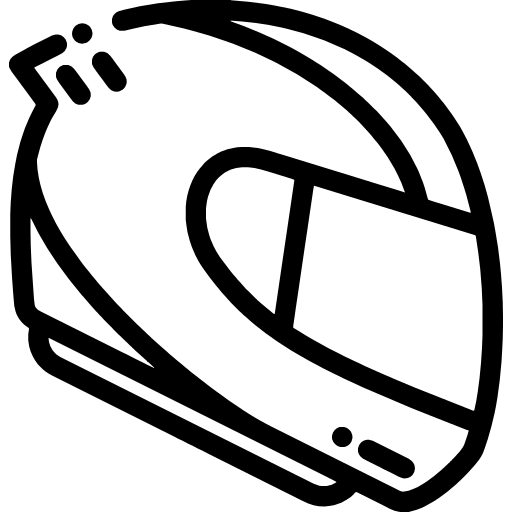 Ķiveres
 Balaklavas, pinlock
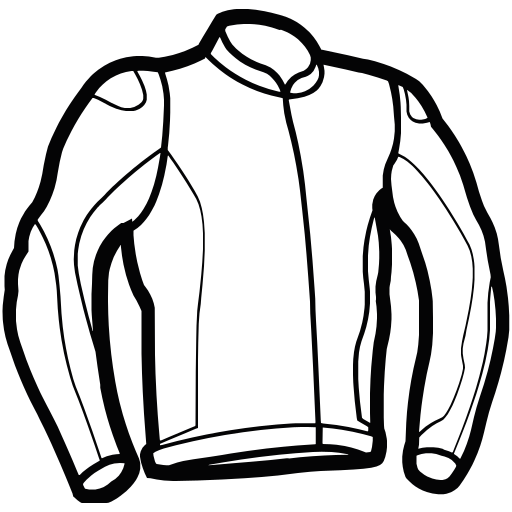 Jāšanas aprīkojums
 Braukšanas aprīkojuma rezerves daļas
 Rezerves daļas
 Riepas
 Universālie aksesuāri
 Piederumi MX, Offroad
 Aksesuāri Street, V-Twin
 Piederumi sniega motociklam
 Jūras, ūdens motocikli
 Velosipēdi, rezerves daļas
 Mājas, brīvais laiks
 Instrumenti, darbnīca
